
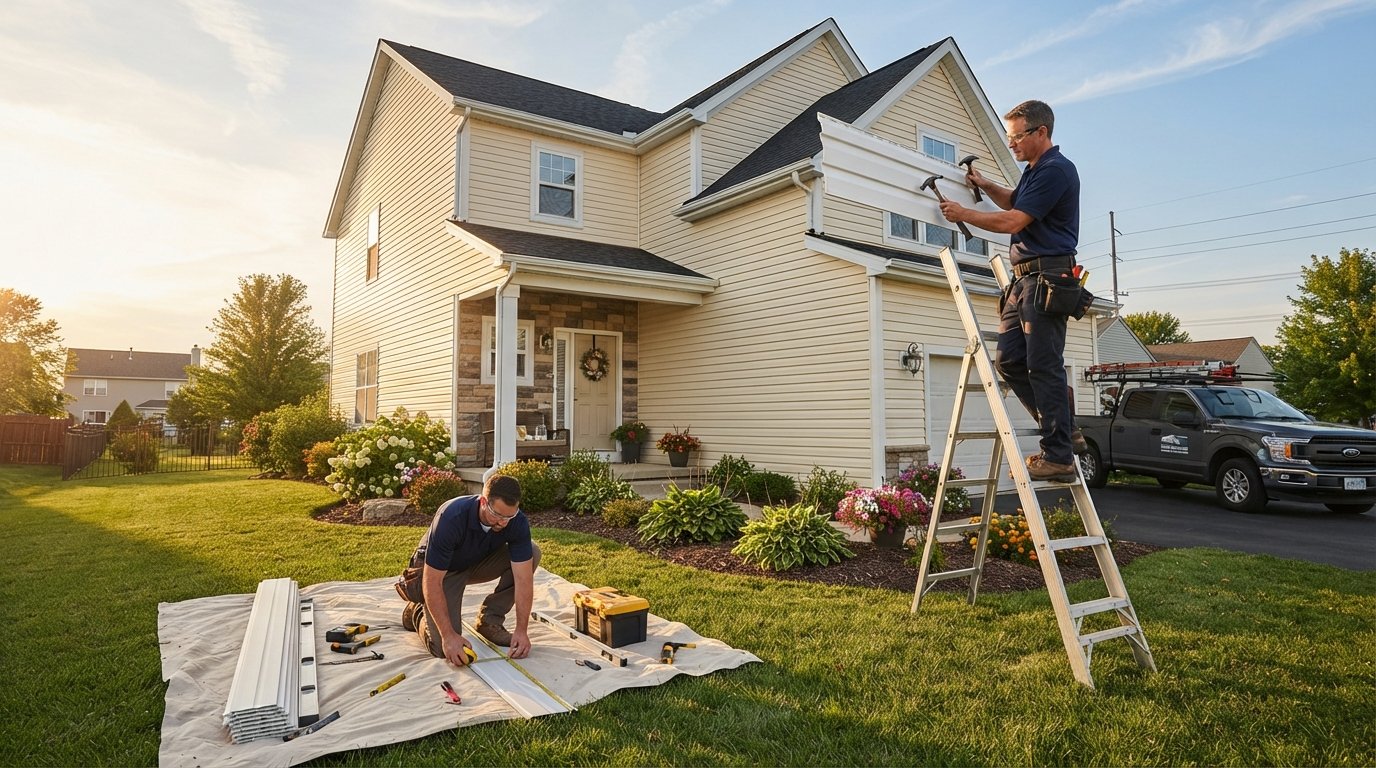
Vinyl Siding: Cost, Benefits, and Installation Tips
Learn how vinyl siding can transform your home with low maintenance, energy savings, and strong resale value. Get expert tips on costs and installation.
By Danica Leslie
Learn more about Siding Installation for guides, costs, and what to expect.
Compare Siding Installation Pros Near You

Enter your ZIP code to compare top-rated local professionals and request free quotes.
When you drive through established neighborhoods, you see it everywhere: clean lines, uniform texture, and colors that resist fading for decades. Vinyl siding remains one of the most popular exterior cladding choices for American homes, and for good reason. It offers an unmatched balance of affordability, durability, and curb appeal. If you are weighing your options for a new exterior or planning a full remodel, understanding how vinyl siding performs over time, what it really costs to install, and how to choose a qualified contractor can save you thousands of dollars and years of frustration. This guide walks you through the essential facts, common pitfalls, and smart strategies for getting the best results from your siding project.
Why Homeowners Choose Vinyl Siding
The primary appeal of vinyl siding is its low maintenance profile. Unlike wood, which requires periodic painting, staining, or sealing, vinyl siding is engineered to withstand the elements with minimal upkeep. A simple rinse with a garden hose or a gentle wash with a soft cloth and mild detergent usually restores its original appearance. This convenience is a major selling point for busy families and retirees who want a beautiful home without dedicating weekends to exterior maintenance.
Beyond upkeep, vinyl siding offers exceptional design flexibility. Modern manufacturing techniques produce realistic wood grain textures, deep shadow lines, and a broad spectrum of colors, from classic whites and creams to rich blues, grays, and earth tones. You can also choose from different profiles, such as horizontal lap, vertical panels, shake, or scalloped shingles, to match your home's architectural style. This versatility allows you to achieve a custom look without the premium price tag of fiber cement, wood, or brick.
Durability is another key factor. Quality vinyl siding is impact resistant, does not rot, and is impervious to termites and other wood-boring insects. It handles extreme temperature swings without cracking, and many products carry wind ratings of 110 mph or higher. For homeowners in areas prone to hail or flying debris, some premium vinyl lines offer enhanced impact resistance that can withstand the force of a baseball at high speed. These practical benefits translate to long-term peace of mind and a strong return on investment.
Understanding the True Cost of Vinyl Siding
Cost is often the deciding factor for homeowners, and vinyl siding is typically the most budget-friendly cladding option on the market. However, the final price depends on several variables, including the quality of the material, the complexity of your home's architecture, local labor rates, and the number of stories. On average, homeowners spend between $5 and $12 per square foot for vinyl siding installation, with most projects falling in the $8 to $15 per square foot range when you include labor, trim, and accessories.
To give you a clearer picture, here is a rough breakdown based on a 1,500 square foot home exterior (approximately 2,000 square feet of siding surface):
- Builder-grade vinyl: $3 to $5 per square foot for materials, plus $2 to $4 per square foot for labor. Total project cost often lands between $8,000 and $12,000.
- Mid-range vinyl: $5 to $8 per square foot for materials, plus $3 to $5 per square foot for labor. Expect a total in the $12,000 to $18,000 range.
- Premium or insulated vinyl: $8 to $12 per square foot for materials, plus $4 to $6 per square foot for labor. Projects typically run $18,000 to $25,000 or more.
These figures are estimates, and your actual quote will vary. It is always wise to obtain at least three detailed bids from licensed contractors. A thorough estimate should itemize material costs, labor, disposal of old siding, and any necessary repairs to the underlying sheathing. This transparency helps you compare offers fairly and avoid surprise fees later.
One often overlooked cost factor is the removal and disposal of existing siding. If your home has old aluminum, wood, or asbestos siding, removal can add $1,500 to $4,000 to the project. Asbestos siding requires specialized handling and disposal, which is strictly regulated. Be sure to ask your contractor about these extra charges and confirm that they are included in the written quote.
Types of Vinyl Siding: Which One Is Right for You?
Not all vinyl siding is created equal. The market offers several grades, each with distinct characteristics and price points. Understanding these differences helps you select a product that fits your climate, your home's style, and your budget.
Standard Vinyl Siding
This is the entry-level option, usually around 0.04 inches thick. It is lightweight, easy to install, and available in a wide range of colors. However, it is more prone to cracking in extreme cold and may fade faster under intense sun exposure. Standard vinyl works well for budget-conscious homeowners in moderate climates, but it may not be the best choice for areas with severe weather.
Insulated Vinyl Siding
Insulated vinyl features a layer of rigid foam board bonded to the back of the panels. This added insulation improves the home's thermal performance, reducing energy bills and making interior temperatures more stable. It also gives the siding a flatter, more solid appearance and better impact resistance. The extra cost is often offset by long-term energy savings, making it a popular choice for homeowners seeking comfort and efficiency.
Premium or Architectural Vinyl
Premium vinyl is thicker (0.046 to 0.055 inches) and often includes a wood-grain texture that closely mimics real wood. It has deeper shadow lines and a more upscale look, and it is engineered to resist warping, fading, and impact. Some premium lines come with a lifetime warranty, which is a strong indicator of confidence in the product. This grade is ideal for homeowners who want the aesthetic of wood without the maintenance.
Vertical Vinyl Siding
Vertical panels run up and down rather than horizontally, adding a distinctive, contemporary look. They are often used for accent walls, gables, or entire homes in modern or farmhouse styles. Vertical vinyl is available in both standard and insulated versions, and it can be paired with horizontal siding for a custom design.
The Installation Process: What to Expect
A professional vinyl siding installation is a multi-step process that requires careful preparation and precise technique. Here is a simplified overview of what happens when you hire a contractor through a platform like USremodel.
- Inspection and preparation: The crew first inspects the existing exterior, removes old siding, and checks the sheathing for rot or damage. Any repairs are made before the new siding goes up.
- Flashing and underlayment: Proper flashing is installed around windows, doors, and corners to prevent water intrusion. A weather-resistant barrier, such as house wrap, is applied to the sheathing for extra protection.
- Starter strips and trim: The contractor installs starter strips along the bottom edge of the wall, which secure the first row of panels and provide a level base. Corner posts, J-channels, and trim pieces are also mounted at this stage.
- Panel installation: Vinyl panels are hung from the bottom up, with each row locking into the one below. Nails are driven loosely to allow for thermal expansion and contraction, which is critical for preventing buckling in extreme temperatures.
- Finishing touches: The final rows are trimmed to fit under the roofline, and soffits, fascia, and any accent details are completed. The crew then cleans the site and removes all debris.
The entire process usually takes one to two weeks, depending on the size of your home and the complexity of the design. A professional crew will work efficiently and ensure that all flashing and seams are watertight. This attention to detail is essential for the long-term performance of your siding.
Maintenance and Longevity: Making Your Siding Last
One of the biggest advantages of vinyl siding is its minimal maintenance requirement, but that does not mean it is maintenance-free. To keep your siding looking its best for decades, you should perform routine cleaning and periodic inspections.
Here are some practical maintenance tips:
- Wash your siding once or twice a year using a soft cloth or a long-handled brush with a mixture of mild detergent and water. Avoid using a pressure washer at high settings, as it can force water behind the panels and damage the underlying structure.
- Inspect for cracks, holes, or loose panels after severe storms. Small issues can be patched with a vinyl repair kit, but larger damage may require a professional to replace the affected panels.
- Keep shrubbery and trees trimmed away from the siding to prevent scratches and moisture buildup. If you have vines, remove them regularly because they can trap moisture and cause mold growth.
- Check the caulking around windows, doors, and corners annually. Reapply caulk if you notice gaps or signs of wear.
With proper care, quality vinyl siding can last 30 to 50 years or more. This longevity, combined with low upkeep, makes it a smart investment for most homeowners. However, the warranty is only valid if the installation is performed by a licensed professional following the manufacturer's guidelines. That is why choosing an experienced installer is just as important as selecting the right product.
Common Problems and How to Address Them
Even the best vinyl siding can develop issues over time. Being aware of these common problems helps you catch them early and avoid costly repairs.
Fading and Chalking
Prolonged exposure to UV rays can cause some colors to fade, especially darker shades. Chalking, a powdery residue on the surface, is a normal weathering process but can be unsightly. To minimize fading, choose lighter colors or premium vinyl with advanced UV inhibitors. Regular cleaning can remove chalk and restore some color.
Buckling or Warping
Buckling occurs when panels are nailed too tightly, leaving no room for thermal expansion. This is a common installation error. If you see wavy or distorted panels, a professional can often fix the issue by loosening the nails and reinstalling the affected sections correctly.
Cracks and Impact Damage
Hail, flying debris, or a stray baseball can crack vinyl. Small cracks can be repaired with a patch kit, but larger damage may require replacing the entire panel. Because vinyl is sold in batches, color matching can be tricky. Keep a few spare panels from your original installation to ensure a seamless match.
Moisture and Mold
If water gets behind the siding, it can lead to mold, mildew, or rot in the underlying wood. This often happens due to improper flashing or gaps in the installation. If you notice a musty smell or visible mold on the interior walls, call a professional to inspect the siding and make necessary repairs.
Choosing the Right Contractor for Your Vinyl Siding Project
The success of your siding installation depends heavily on the skill of the installer. A poor installation can void the warranty, lead to water damage, and ruin the look of your home. Here are some key steps to find a reliable contractor.
Start by asking for recommendations from friends, family, or your local building supply store. Then, verify that each candidate is licensed, insured, and bonded. Ask for proof of insurance and a copy of their contractor's license. A reputable contractor will be happy to provide these documents.
Request at least three quotes, but do not automatically choose the lowest bid. Instead, compare the scope of work, materials, and warranties included in each proposal. Look for a contractor who takes time to inspect your home, asks questions about your needs, and offers a clear timeline. Check online reviews and ask for references from recent vinyl siding projects.
A platform like USremodel simplifies this process by connecting you with pre-vetted, independent contractors in your area. You submit one request, and you receive multiple customized quotes from professionals who specialize in siding. This approach saves you time and gives you confidence that you are comparing qualified, reputable businesses. You can review their ratings, read past customer feedback, and make an informed choice without the pressure of a high-pressure sales visit.
Finally, make sure you understand the warranty. Most quality vinyl siding comes with a 25 to 50 year warranty, but the coverage can vary. Some warranties are prorated, meaning the coverage decreases over time. Others are transferable to a new owner if you sell your home. Ask your contractor to explain the warranty terms and provide a copy in writing.
Boosting Energy Efficiency and Home Value
Beyond aesthetics, vinyl siding can improve your home's energy efficiency. Insulated vinyl siding adds a layer of thermal resistance, reducing heat loss in winter and heat gain in summer. This can lower your heating and cooling bills, making your home more comfortable year-round. Some homeowners report savings of 10 to 20 percent on energy costs after upgrading to insulated siding.
Vinyl siding also enhances your home's resale value. A fresh, well-maintained exterior is one of the most effective ways to boost curb appeal, which directly influences a buyer's first impression. According to industry data, vinyl siding replacement can recoup about 75 percent of its cost in increased home value. That makes it one of the best return-on-investment projects for a home remodel.
In addition, many vinyl siding products are now made from recycled materials, and they are fully recyclable at the end of their lifespan. This makes vinyl an environmentally responsible choice compared to other cladding options that may end up in landfills. If sustainability is important to you, look for products with high recycled content and check with your local recycling center to confirm they accept vinyl.
Final Thoughts on Vinyl Siding
Vinyl siding remains a top choice for homeowners because it delivers a compelling mix of performance, value, and style. Whether you are replacing old, damaged siding or building a new home, this material offers a practical way to protect your investment and enhance your property's appearance. The key to a successful project is selecting the right grade of vinyl and hiring a skilled contractor who will install it correctly.
Take the time to research your options, gather multiple quotes, and ask informed questions. A well-installed vinyl siding system will serve your home for decades, reducing maintenance hassles and keeping your family comfortable. If you are ready to move forward, USremodel can help you connect with trusted siding professionals in your area. Submit a free quote request today, and take the first step toward a beautiful, durable exterior that you will enjoy for years to come.
Learn more about Siding Installation for guides, costs, and what to expect.
Compare Siding Installation Pros Near You
Enter your ZIP code to compare top-rated local professionals and request free quotes.