
Storm Damage Repair: Steps to Restore Your Home Fast
Learn the essential steps for storm damage repair, from assessing safety and filing claims to hiring trusted contractors for a smooth recovery.
By Chelsea Kris
Learn more about Water Damage Cleanup and Restoration for guides, costs, and what to expect.
Compare Water Damage Cleanup and Restoration Pros Near You

Enter your ZIP code to compare top-rated local professionals and request free quotes.
When severe weather strikes, the aftermath can leave homeowners overwhelmed and uncertain about their next steps. From hail-pelted roofs to waterlogged basements, storm damage repair is not just about fixing what is broken, it is about protecting your home's structure, your family's safety, and your financial stability. Acting quickly and strategically can mean the difference between a manageable restoration and a prolonged, costly ordeal. This guide walks you through the essential steps to assess damage, navigate insurance claims, and hire the right professionals to get your life back on track.
Immediate Safety and Damage Assessment
The first priority after any storm is safety. Before you even think about repairs, ensure that your family and property are out of immediate danger. Downed power lines, unstable structures, and standing water can create hazardous conditions. Do not approach damaged areas until you are certain it is safe, and if there is any doubt, contact local authorities or emergency services.
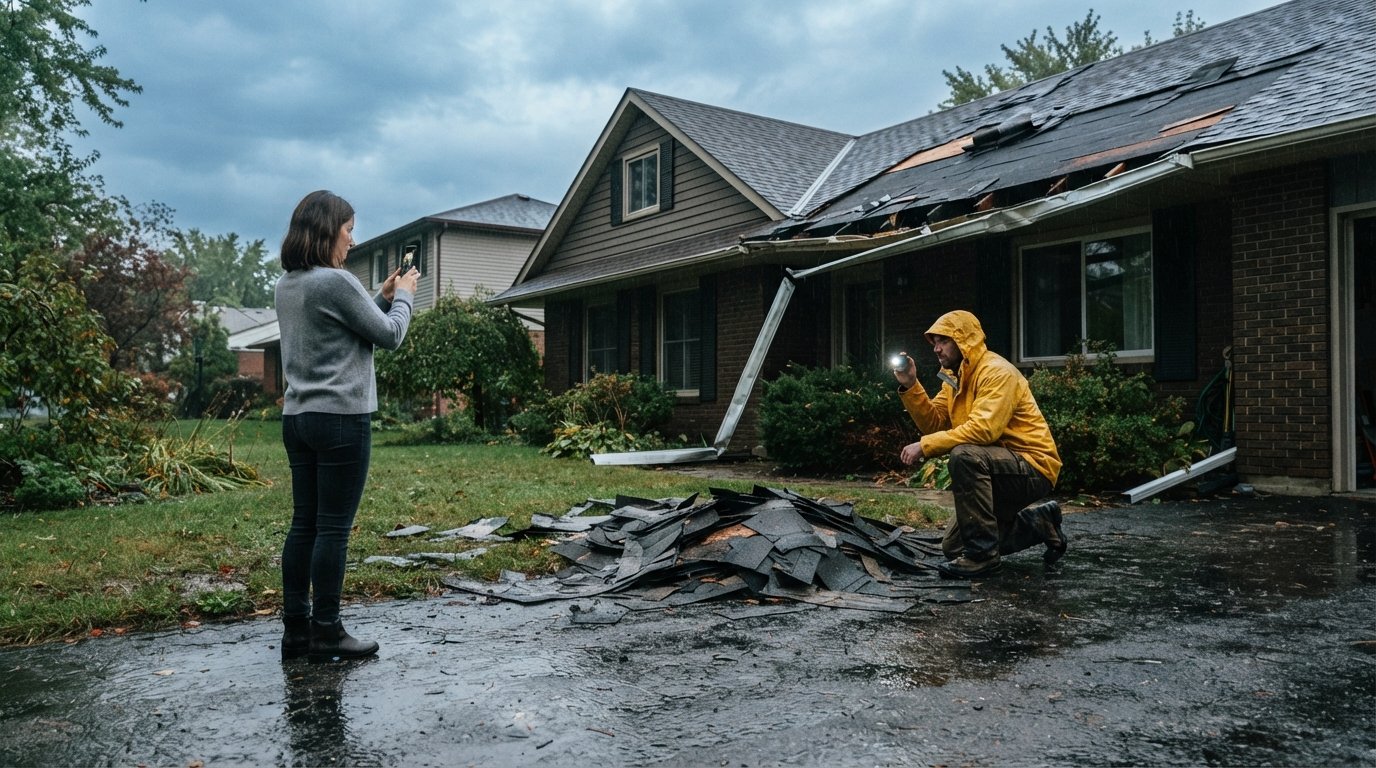
Once you have secured the area, conduct a thorough but careful inspection of your property. Start from the outside, looking for obvious signs like missing shingles, dented gutters, or broken windows. Then move inside, checking ceilings for water stains, walls for cracks, and floors for warping. Document everything with photos and videos, as this evidence will be crucial for your insurance claim and for contractors to provide accurate estimates.
Common Types of Storm Damage to Look For
Understanding the typical damage caused by different storm events can help you identify issues that might not be immediately visible. Wind, hail, rain, and snow each leave their own signature on a home. Here are some common signs to watch for after a major weather event:
- Roof damage: Missing or curled shingles, exposed underlayment, or granules in the gutters.
- Water intrusion: Stains on ceilings or walls, damp insulation, or a musty odor indicating hidden leaks.
- Window and door damage: Cracked glass, broken seals, or frames that are no longer square or weatherproof.
- Siding and gutter issues: Dents, cracks, or sections that have been pulled away from the house.
- Structural concerns: Cracks in the foundation, sagging rooflines, or doors that stick due to shifting.
Do not be tempted to climb onto the roof or enter a structurally compromised area on your own. Professional inspectors have the training and equipment to evaluate hazards safely. If you suspect any structural issues, wait for a licensed contractor or structural engineer to perform a detailed assessment.
Navigating the Insurance Claim Process
After documenting the damage, your next step is to file a claim with your homeowners insurance provider. This process can be complex, but a clear understanding of how it works can significantly improve your chances of a fair settlement. Contact your insurance company as soon as possible to report the damage and start the claims process. They will assign an adjuster to assess the loss, but be prepared: their initial estimate may not cover all the necessary repairs.
Before the adjuster visits, create a detailed inventory of damaged items, including their approximate value and purchase dates if possible. Keep all receipts for any emergency repairs you make, such as tarping a leaky roof, as these are often reimbursable. When the adjuster arrives, walk them through every area of damage and share your own documentation. If their estimate seems low, you have the right to challenge it and request a re-inspection.
How a Public Adjuster Can Help
If you feel overwhelmed by the claims process or believe your settlement is inadequate, consider hiring a public adjuster. Unlike insurance company adjusters who work for the insurer, public adjusters work for you. They can independently assess the damage, prepare a detailed claim, and negotiate with your insurance company on your behalf. While they typically charge a percentage of the final settlement, their expertise often results in a larger payout that more than covers their fee.
However, be cautious about signing any contracts with public adjusters before doing your research. Look for licensed professionals with a strong track record in your state. Also, remember that you are not obligated to accept the first offer from your insurer. A public adjuster can be a valuable ally in maximizing your recovery, especially for complex or high-value claims.
Why Professional Storm Damage Repair Is Essential
Some homeowners might be tempted to handle repairs themselves, especially for minor issues. However, storm damage repair is a job for licensed and experienced contractors. The skills required to properly assess structural integrity, address hidden water damage, and ensure code-compliant repairs are extensive. A professional will not only fix the visible problems but also identify and resolve underlying issues that could lead to mold, rot, or future failures.
Attempting DIY repairs after a storm can void your insurance coverage and lead to more costly problems down the road. For example, a seemingly small roof leak can become a massive mold infestation if not properly mitigated. Professionals have the training to dry out affected areas, sanitize, and restore your home to a safe, livable condition. They also have access to high-quality materials and techniques that are not available to the average homeowner.
What to Expect from a Professional Restoration Company
When you hire a restoration company, they bring a systematic approach to the chaos. Their first step is usually a comprehensive assessment using moisture detectors and thermal imaging to locate hidden water. They will then create a detailed scope of work, which outlines every necessary repair, and provide you with a clear estimate. Throughout the process, they communicate with your insurance company, ensuring that all work is documented and approved.
Professional teams also handle the logistics, from securing your property with temporary boards and tarps to coordinating with sub-contractors for electrical, plumbing, or roofing work. They manage the timeline and keep you informed, allowing you to focus on your family and daily routines. This level of coordination is particularly valuable when dealing with extensive damage that affects multiple areas of your home.
Selecting the Right Contractor for the Job
Choosing the right contractor is one of the most critical decisions you will make in the storm damage repair process. A reliable contractor can make the experience smooth and stress-free, while a poor choice can lead to shoddy work, legal disputes, and financial loss. Start by seeking recommendations from friends, family, and neighbors who have had similar work done. Online reviews and the Better Business Bureau are also valuable resources for vetting potential candidates.
Always verify that a contractor is licensed, insured, and bonded in your state. Ask for proof of insurance and check that their coverage includes both liability and worker's compensation. Additionally, request references from recent storm repair projects and contact those homeowners to ask about their experience. A reputable contractor will be happy to provide this information and will not pressure you into making a quick decision.
Red Flags to Avoid When Hiring
After a storm, unfortunately, there are often unscrupulous individuals who prey on vulnerable homeowners. Be wary of contractors who go door-to-door offering repairs, demand large upfront payments, or ask you to sign a contract that assigns your insurance benefits directly to them. These are common signs of storm chasers who may do subpar work or disappear entirely.
Always get multiple written estimates, typically three is a good number, and compare them carefully. A significantly lower bid might indicate the use of inferior materials or a lack of proper insurance. Read all contracts thoroughly, and ensure that the scope of work, materials, timeline, and payment schedule are clearly defined. If a contractor is vague or evasive about any of these details, consider it a warning sign and move on to another candidate.
Preventing Future Storm Damage
Once your home is repaired, it is wise to think about how to make it more resilient against future storms. While you cannot control the weather, you can take proactive steps to minimize potential damage. This not only protects your home but can also lower your insurance premiums and give you greater peace of mind.
Consider investing in impact-resistant roofing materials, storm shutters, or reinforced garage doors. Ensure that your gutters and downspouts are clear and direct water away from your foundation. Trim trees and remove dead branches that could fall on your home during high winds. These upgrades can be done as part of your repair project or as a separate improvement initiative, and a professional contractor can advise you on the best options for your home and budget.
The Role of a Home Inspection
After the repairs are complete, schedule a final walkthrough with your contractor to ensure that all work meets your expectations. This is also a good time to have a general home inspection, especially if the storm damage was extensive. A certified inspector can identify any lingering issues and provide maintenance recommendations to keep your home in top condition.
Regular maintenance is your best defense against storm damage. Simple tasks like checking your roof annually, sealing windows and doors, and inspecting your foundation for cracks can catch small problems before they become major emergencies. By staying proactive, you reduce the likelihood of needing storm damage repair in the future and ensure that your home remains a safe and comfortable haven for years to come.
Storm damage repair is a challenging process, but with the right knowledge and professional help, you can restore your home and your life. Remember to prioritize safety, document everything, and lean on licensed experts for guidance. By taking these steps, you not only recover from the immediate crisis but also build a more resilient home for the future.
Learn more about Water Damage Cleanup and Restoration for guides, costs, and what to expect.
Compare Water Damage Cleanup and Restoration Pros Near You
Enter your ZIP code to compare top-rated local professionals and request free quotes.