
Insulation Upgrade Benefits Home Value and Comfort
Discover how an insulation upgrade benefits home comfort, lowers energy bills, and boosts property value. A smart investment for any homeowner.
By Chelsea Kris
Learn more about Insulation Installation or Upgrade for guides, costs, and what to expect.
Compare Insulation Installation or Upgrade Pros Near You

Enter your ZIP code to compare top-rated local professionals and request free quotes.
When was the last time you thought about the material hidden inside your walls and above your ceiling? Most homeowners ignore insulation until a utility bill arrives that makes them wince. But insulation plays a silent, powerful role in how comfortable your home feels, how much you pay each month, and even how much your property is worth when you decide to sell. An insulation upgrade benefits home performance in ways that go far beyond simply staying warmer in winter or cooler in summer. It touches your finances, your health, your home's structural integrity, and your environmental footprint.
If you have lived in your house for more than a decade, there is a strong chance the original insulation has settled, degraded, or was never installed to modern standards. Building codes have tightened, and today's energy-efficient materials outperform what was common even ten years ago. Upgrading your insulation is one of the most cost-effective home improvements you can make, often paying for itself through energy savings within a few years. In this guide, we will explore the full range of benefits, from immediate comfort improvements to long-term financial returns, and show you how to approach an insulation upgrade with confidence.
The Financial Payoff: Lower Energy Bills and Higher Home Value
The most immediate and measurable benefit of an insulation upgrade is the reduction in monthly energy costs. Heating and cooling account for roughly half of a typical home's energy consumption, according to the U.S. Department of Energy. When your home is poorly insulated, conditioned air escapes through the roof, walls, and floors, forcing your HVAC system to work harder and run longer. This not only spikes your utility bills but also puts unnecessary strain on your heating and cooling equipment, shortening its lifespan and leading to premature repair or replacement costs.
By upgrading to high-performance insulation, you create a more consistent thermal barrier. In winter, warm air stays inside; in summer, hot outdoor air is kept at bay. This means your furnace and air conditioner cycle on less frequently, consuming less energy. Many homeowners report savings of 15 to 30 percent on their monthly heating and cooling bills after a professional insulation upgrade. Over a year, those savings can amount to several hundred dollars, and over the life of your home, they compound significantly.
Beyond monthly savings, an insulation upgrade benefits home resale value. Real estate appraisers and prospective buyers increasingly look for energy-efficient features. A home with modern insulation, properly installed and documented, appeals to buyers who want to avoid future utility costs and comfort issues. In competitive markets, an energy-efficient home can sell faster and at a higher price than comparable properties with outdated insulation. Even if you are not planning to move soon, knowing that your investment enhances your property's marketability provides peace of mind.
Year-Round Comfort and Indoor Air Quality
Energy savings are only part of the story. Comfort is what you feel every single day. Have you ever noticed that one room is always colder in winter or stuffier in summer? Do you experience drafts near windows, doors, or along exterior walls? These are classic signs of inadequate insulation. When insulation is missing or compressed, it cannot stop the transfer of heat, leading to uneven temperatures throughout your home. You might find yourself turning up the thermostat just to feel comfortable in the living room, while the bedrooms become uncomfortably warm.
A professional insulation upgrade eliminates these temperature swings by providing a uniform thermal envelope. Attic insulation, in particular, plays a critical role. Heat rises, and in winter, a poorly insulated attic allows warmth to escape through the roof. In summer, the sun beats down on the roof, and without proper insulation, that radiant heat penetrates into your living spaces, making your air conditioner work overtime. By upgrading attic insulation to the recommended R-value for your climate zone, you stabilize indoor temperatures and reduce the workload on your HVAC system.
Insulation also influences indoor air quality. Many types of insulation, such as spray foam and rigid foam boards, create an air seal that prevents outdoor pollutants, pollen, and dust from entering through cracks and gaps. Fiberglass and cellulose insulation can also reduce the infiltration of outdoor allergens. Moreover, proper insulation helps control moisture levels. When warm, humid air meets a cold surface, condensation can form, leading to mold and mildew growth. A well-insulated home is less prone to these moisture issues, protecting your family's respiratory health and preventing structural rot. If anyone in your household suffers from allergies or asthma, an insulation upgrade can make a noticeable difference in their daily comfort.
Noise Reduction and Peaceful Living
Insulation is not only a thermal barrier; it is also an acoustic one. If you live near a busy road, in a neighborhood with barking dogs, or in a multi-story home where sound travels between floors, you understand the value of peace and quiet. Insulation materials, particularly dense fiberglass batts, mineral wool, and spray foam, absorb sound vibrations and dampen noise transmission. Upgrading insulation in interior walls, floors, and ceilings can significantly reduce the transfer of sound, making your home a more serene retreat.
For home offices, home theaters, or bedrooms, acoustic comfort is essential for concentration and restful sleep. Even if you do not have a noise problem today, adding insulation during a remodeling project is a smart investment. It is far easier and less expensive to install insulation while walls are open than to retrofit it later. If you are planning a bathroom remodel, kitchen renovation, or any addition, ask your contractor about incorporating high-performance insulation into the project. The result will be a quieter, more comfortable home that you will appreciate for years.
Environmental Impact and Healthier Planet
Reducing your home's energy consumption is one of the most effective ways to lower your carbon footprint. The electricity and natural gas used for heating and cooling are major sources of greenhouse gas emissions. By upgrading your insulation, you directly reduce the amount of energy your home requires, which in turn reduces the demand on power plants and decreases your household's contribution to climate change. It is a simple, tangible action that aligns with broader environmental goals.
Moreover, many modern insulation products are manufactured with recycled or sustainable materials. Cellulose insulation, for example, is made from recycled newspaper, while some fiberglass products contain a high percentage of recycled glass. Spray foam, when properly installed, creates an effective air barrier that minimizes energy loss. Choosing the right insulation type for your home and climate can maximize both energy efficiency and environmental benefit. If reducing your carbon footprint is important to you, an insulation upgrade is one of the most responsible home improvements you can undertake.
Preventing Structural Damage and Extending Equipment Life
Insulation does more than keep you comfortable; it also protects your home's structure. In winter, inadequate insulation can lead to ice dams on your roof. When heat escapes into the attic, it warms the underside of the roof deck, melting snow. The meltwater runs down and refreezes at the colder eaves, creating dams that force water back under the shingles. This can cause leaks, rot, and damage to your roof deck, rafters, and even your home's interior walls. Proper attic insulation and ventilation prevent ice dams by keeping the roof deck cold and allowing snow to melt evenly.
Insulation also protects your plumbing. In uninsulated or poorly insulated spaces such as crawl spaces, basements, and exterior walls, pipes are vulnerable to freezing during extreme cold. A frozen pipe can burst, causing thousands of dollars in water damage. By insulating these areas, you reduce the risk of freezing and prolong the life of your plumbing system.
Furthermore, when your HVAC system does not have to run constantly to compensate for heat loss or gain, it experiences less wear and tear. Components like compressors, fans, and heat exchangers last longer, meaning you will face fewer costly repairs and can delay the expense of a full system replacement. Insulation is essentially a protective investment for both your home's structure and its mechanical systems.
How to Approach Your Insulation Upgrade
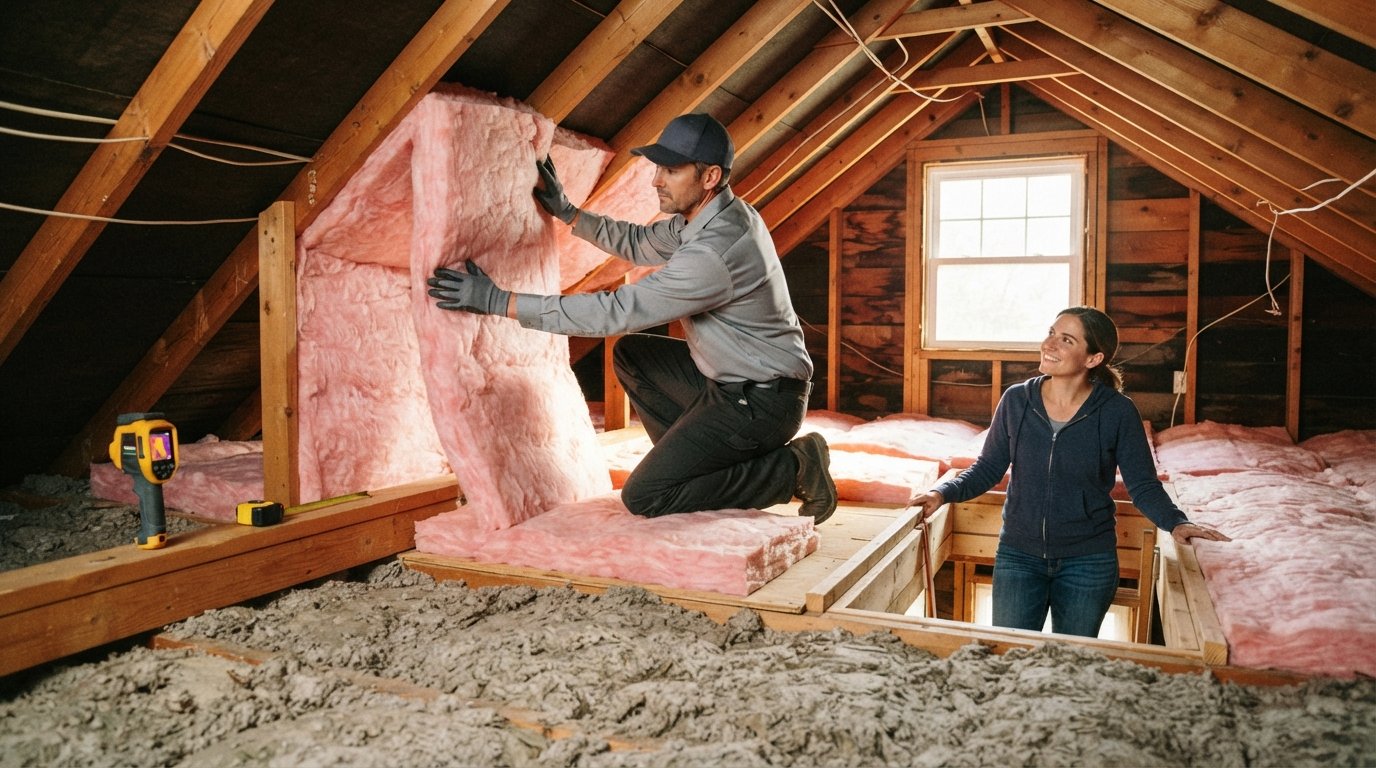
Before you start, it is essential to assess your current insulation situation. You can do a simple visual inspection in your attic: look for areas where insulation is missing, compressed, or wet. Check the depth of existing insulation: if it is below the recommended level for your climate, an upgrade is likely beneficial. You can also feel for drafts around windows, doors, and electrical outlets, and notice if your energy bills are consistently high. For a professional assessment, many insulation contractors offer free home energy audits that include thermal imaging to identify hidden gaps and deficiencies.
Once you have decided to upgrade, you will need to choose the right insulation type and material. Here are some key considerations to discuss with your contractor:
- R-value: This measures thermal resistance. Higher R-values provide better insulation. The recommended R-value depends on your climate zone, with colder regions requiring higher values.
- Material: Common options include fiberglass batts, loose-fill cellulose, spray foam, and rigid foam boards. Each has unique properties regarding air sealing, moisture resistance, and cost.
- Location: Attics, walls, floors, crawl spaces, and basements each have specific insulation needs. A professional will know the best approach for each area.
Hiring a licensed and experienced insulation contractor is critical. A professional will ensure that the insulation is installed correctly, with proper coverage and no voids. They will also address air sealing, which is often as important as the insulation itself. Cracks and gaps around pipes, wires, and vents can undermine even the best insulation. A comprehensive insulation upgrade includes air sealing to maximize performance.
When you are ready to move forward, using a platform that connects you with vetted local contractors can simplify the process. For example, 180Remodel is a home remodeling resource that helps homeowners find qualified professionals for a wide range of projects, including insulation upgrades. By obtaining multiple quotes, you can compare pricing and services, ensuring you get the best value and a job done right.
Common Signs You Need an Insulation Upgrade
Not sure if your home could benefit? Look for these common indicators:
- High or fluctuating energy bills, especially during extreme weather months.
- Drafty rooms or noticeable temperature differences between rooms.
- Cold floors in winter or excessively hot ceilings in summer.
- Visible gaps in attic insulation or insulation that is wet, moldy, or compressed.
- Ice dams forming on your roof in winter.
If any of these sound familiar, it is worth scheduling a professional inspection. An expert can identify problem areas and recommend the most effective solution. Ignoring these signs not only leads to continued discomfort and high bills but can also result in more serious issues like moisture damage and pest infestations.
Choosing the Right Contractor and Financing Options
Selecting the right contractor is as important as the insulation material itself. Look for a company that is licensed, insured, and experienced in insulation installation. Ask for references and check online reviews. A reputable contractor will provide a detailed written estimate that specifies the type of insulation, the R-value, the areas to be covered, and the total cost. They should also be willing to answer your questions and explain the process.
When it comes to financing, you have several options. Many homeowners pay for insulation upgrades out of pocket because the investment is relatively modest compared to other remodeling projects. However, if you prefer to spread the cost, you might consider a home improvement loan, a credit card with a promotional rate, or financing offered by the contractor. Additionally, some utility companies and government programs offer rebates or incentives for energy-efficient home improvements. Check with your local utility provider and search for federal tax credits that may apply. An insulation upgrade can qualify for certain energy-efficiency incentives, reducing your net cost.
To make the process smooth and to ensure you get competitive quotes, USremodel can connect you with multiple local contractors who specialize in insulation and other energy-efficiency upgrades. By submitting one form, you can receive customized quotes from vetted professionals, allowing you to compare options and choose the best fit for your home and budget.
Long-Term Comfort, Savings, and Peace of Mind
An insulation upgrade is not a glamorous remodeling project, but it is one of the smartest investments you can make in your home. The benefits are tangible: lower energy bills, consistent indoor temperatures, better air quality, reduced noise, and protection for your home's structure and systems. Over time, the savings accumulate, and the comfort you gain is priceless. Whether you are planning to live in your home for many years or preparing to sell, insulation is a strategic upgrade that delivers returns on multiple levels.
If you are considering an insulation upgrade, do not wait until the next extreme weather event forces your hand. Take a proactive approach. Start with a professional energy audit, talk to experienced contractors, and get multiple quotes. With the right insulation in place, you will enjoy a more comfortable, efficient, and resilient home for decades to come. The investment you make today will pay dividends in comfort and savings tomorrow.
Learn more about Insulation Installation or Upgrade for guides, costs, and what to expect.
Compare Insulation Installation or Upgrade Pros Near You
Enter your ZIP code to compare top-rated local professionals and request free quotes.