
Gutter Replacement: Signs You Need New Gutters
Learn the critical signs that your gutters need replacement, explore material options, and avoid costly water damage with this expert guide.

By Author 25
Learn more about Gutter Installation or Replacement for guides, costs, and what to expect.
Compare Gutter Installation or Replacement Pros Near You

Enter your ZIP code to compare top-rated local professionals and request free quotes.
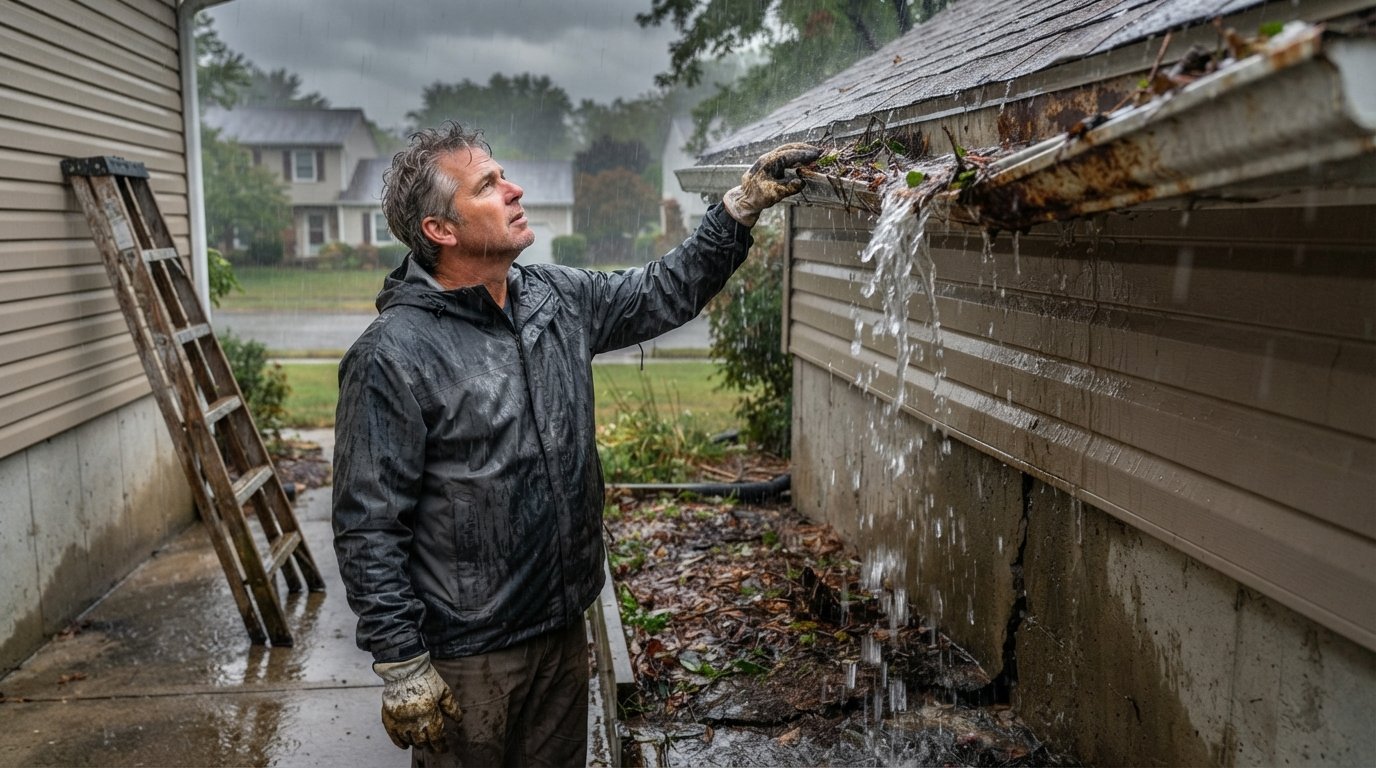
Your home's gutter system works quietly in the background, channeling rainwater away from your roof, walls, and foundation. When it fails, the consequences can be severe: basement flooding, soil erosion, fascia board rot, and even structural damage. Many homeowners overlook their gutters until a problem becomes obvious, but by then, the damage is often already done. Understanding when to replace your gutters can save you thousands of dollars in repairs and protect one of your most valuable investments. This guide walks you through the warning signs, material options, cost factors, and the smartest way to handle a gutter replacement project.
Why Gutter Health Matters for Your Home
Gutters do more than just direct rainwater; they protect the entire envelope of your house. When gutters are clogged, cracked, or sagging, water spills over the edges and pools around your foundation. Over time, this can cause concrete to crack, basement walls to leak, and landscape to wash away. In colder climates, trapped water can freeze and expand, causing ice dams that damage your roof shingles and interior ceilings.
Beyond the immediate structure, healthy gutters also preserve your home's exterior. Water running down the siding can stain it, promote mold growth, and accelerate paint failure. Wood fascia boards and soffits are especially vulnerable, as they sit directly behind the gutter line. A small leak in a gutter seam can rot these components within a few seasons, turning a simple replacement into a more extensive repair.
Regular inspection and maintenance can extend the life of your gutters, but no system lasts forever. Most gutter materials have a predictable lifespan, and knowing where yours falls on that timeline helps you plan for replacement before damage occurs.
Common Signs Your Gutters Need Replacement
How do you know if your gutters are beyond repair? Look for these indicators during a routine walk around your home, especially after a heavy rainstorm. If you notice any combination of the following, it is time to start planning a replacement.
- Cracks or splits in the gutter material, especially at seams and corners.
- Peeling paint or rust spots on metal gutters, indicating corrosion.
- Sagging sections that pull away from the fascia board, often due to failed hangers.
- Water stains or mildew on the siding directly below the gutters.
- Puddles or eroded soil near the foundation after a moderate rain.
- Visible gaps between gutter sections or at the downspout connections.
If you see only one minor crack, a professional may be able to patch it temporarily. However, multiple issues across the system usually signal that replacement is more cost-effective than repeated repairs. The age of your gutters also plays a role; if they are over 20 years old and showing any of these signs, replacement is the wiser long-term choice.
Material Options for New Gutters
Choosing the right gutter material is about balancing budget, durability, and aesthetics. Each option has distinct advantages and drawbacks, so consider your local climate and the architectural style of your home.
Aluminum is the most popular choice for residential gutters. It is lightweight, resistant to rust, and available in a wide range of colors to match your trim. Seamless aluminum gutters, custom-formed on site, minimize leaks and require less maintenance than sectional styles. With proper care, aluminum gutters can last 20 to 30 years.
Steel gutters, often galvanized or coated with zinc, are stronger than aluminum and can handle heavy snow and ice loads. They are more expensive and prone to rust if the protective coating is scratched. Steel is a good option for regions with extreme weather, but it requires diligent maintenance to prevent corrosion.
Copper gutters are the premium choice, prized for their beauty and longevity. They develop a natural patina over time and can last 50 years or more. Copper is significantly more expensive and requires specialized installation, making it a luxury feature that adds curb appeal and resale value.
Vinyl gutters are the most affordable and easiest to install, often as a DIY project. They do not rust or corrode, but they become brittle in extreme cold and can crack under impact. Vinyl gutters typically last 10 to 15 years, making them a budget-friendly option for mild climates.
Seamless vs. Sectional Gutters
Beyond material, you must decide between seamless and sectional gutters. Sectional gutters come in pre-cut lengths that are joined together with connectors and sealant. These are common on older homes and are easier to replace piece by piece, but the seams are vulnerable to leaks and can collect debris over time.
Seamless gutters are custom-formed on your property using a roll-forming machine, creating a single continuous piece that matches your roofline exactly. This eliminates most leaks and reduces the buildup of organic matter in the trough. Professional installation is required, but the result is a cleaner look and lower maintenance over the long term. For most homeowners, seamless gutters are the superior investment, even at a slightly higher upfront cost.
The Cost of Gutter Replacement
Gutter replacement costs vary widely based on the size of your home, the material you choose, and the complexity of the installation. On average, homeowners spend between $1,000 and $3,500 for a full replacement, with most projects landing around $2,000. That includes the gutters themselves, downspouts, hangers, and labor.
Material costs break down roughly as follows: vinyl at $3 to $5 per linear foot, aluminum at $6 to $12 per linear foot, steel at $9 to $15 per linear foot, and copper at $15 to $30 per linear foot. Labor adds another $2 to $6 per linear foot for sectional gutters, but seamless systems often have a higher minimum charge due to the specialized equipment involved.
Additional factors that influence the final price include the number of stories your home has (multi-story installations require more safety equipment and time), the condition of your fascia boards (rotted wood needs replacement before the new gutters can be mounted), and whether you add extras like gutter guards or oversized downspouts. While the upfront cost may seem steep, replacing gutters before they fail can prevent far more expensive foundation and roof repairs.
Planning Your Gutter Replacement Project
Once you decide to replace your gutters, follow these steps to ensure a smooth process. Start by measuring the total linear footage of your roofline, but leave the precise calculations to a professional contractor. Next, gather multiple quotes from licensed and insured installers. Ask about their warranty on both materials and workmanship, and request references from recent jobs.
Schedule the work during a dry season, as rain can delay the installation and affect the sealants. Clear the area around your home so workers have easy access, and move any delicate plants or outdoor furniture away from the work zone. Finally, after the installation, walk around with the contractor to inspect the new system, test the flow of water from the downspouts, and confirm that all debris is removed from the site.
How to Save Money on Gutter Replacement
Gutter replacement is a significant expense, but there are ways to reduce the cost without compromising quality. First, get at least three quotes and compare not just the total price but what is included. Some contractors offer package deals that include gutter guards or downspout extensions, which can be more cost-effective than purchasing them separately.
Consider scheduling your replacement during the off-season, typically late fall or winter in northern climates, when contractors are less busy and may offer discounts. Also, check with your local utility company or home improvement programs for rebates on energy-efficient gutter systems, especially if you are also adding rain barrels or a rainwater harvesting system.
Finally, if your fascia boards are in good condition, avoid unnecessary replacements. A reputable contractor will assess the underlying wood and only replace what is truly rotted. By being proactive and informed, you can keep your gutter replacement project within budget while ensuring your home remains protected for years to come.
Why Professional Installation Matters
While some homeowners attempt DIY gutter replacement, professional installation offers several critical advantages. First, professionals have the equipment to create seamless gutters on site, which are far more reliable than sectional systems. They also know how to properly slope the gutters for optimal water flow, ensuring that water does not pool in low spots, which can lead to rust and corrosion.
Second, contractors are trained to spot and address underlying issues such as damaged fascia boards, improper roof flashing, or inadequate downspout drainage. Ignoring these problems can undermine your new gutters and lead to recurring issues. A professional will also secure the gutters with the correct hanger spacing, preventing sagging and extending the lifespan of the system.
Finally, hiring a licensed professional protects you with warranties and insurance. If a problem arises after the installation, you have recourse. With USremodel, you can connect with vetted gutter contractors in your area who provide free, customized quotes, making it easy to compare options and choose the right expert for your project.
Protecting Your Investment with Regular Maintenance
After your new gutters are installed, a simple maintenance routine will keep them functioning efficiently for decades. Clean your gutters at least twice a year, more if you have overhanging trees. Use a sturdy ladder, gloves, and a trowel to remove leaves and debris, then flush the system with a hose to check for proper drainage.
Inspect the gutters for any signs of damage after major storms, and promptly address small issues like loose hangers or minor leaks before they worsen. Consider installing gutter guards to reduce the frequency of cleanings, but remember that no guard is completely maintenance-free; they still need occasional inspection and clearing of small debris.
By staying proactive, you can avoid the costly emergency repairs that often accompany neglected gutters. And when the time comes for replacement, you will be equipped with the knowledge to make an informed decision that protects your home's value and your family's comfort.
Learn more about Gutter Installation or Replacement for guides, costs, and what to expect.
Compare Gutter Installation or Replacement Pros Near You
Enter your ZIP code to compare top-rated local professionals and request free quotes.