
Foggy Window Repair vs Replacement Cost: What to Expect
Compare foggy window repair vs replacement cost, including hidden fees and energy savings, to decide what is best for your home.
By Jessica Reis
Learn more about Window Repair for guides, costs, and what to expect.
Compare Window Repair Pros Near You

Enter your ZIP code to compare top-rated local professionals and request free quotes.
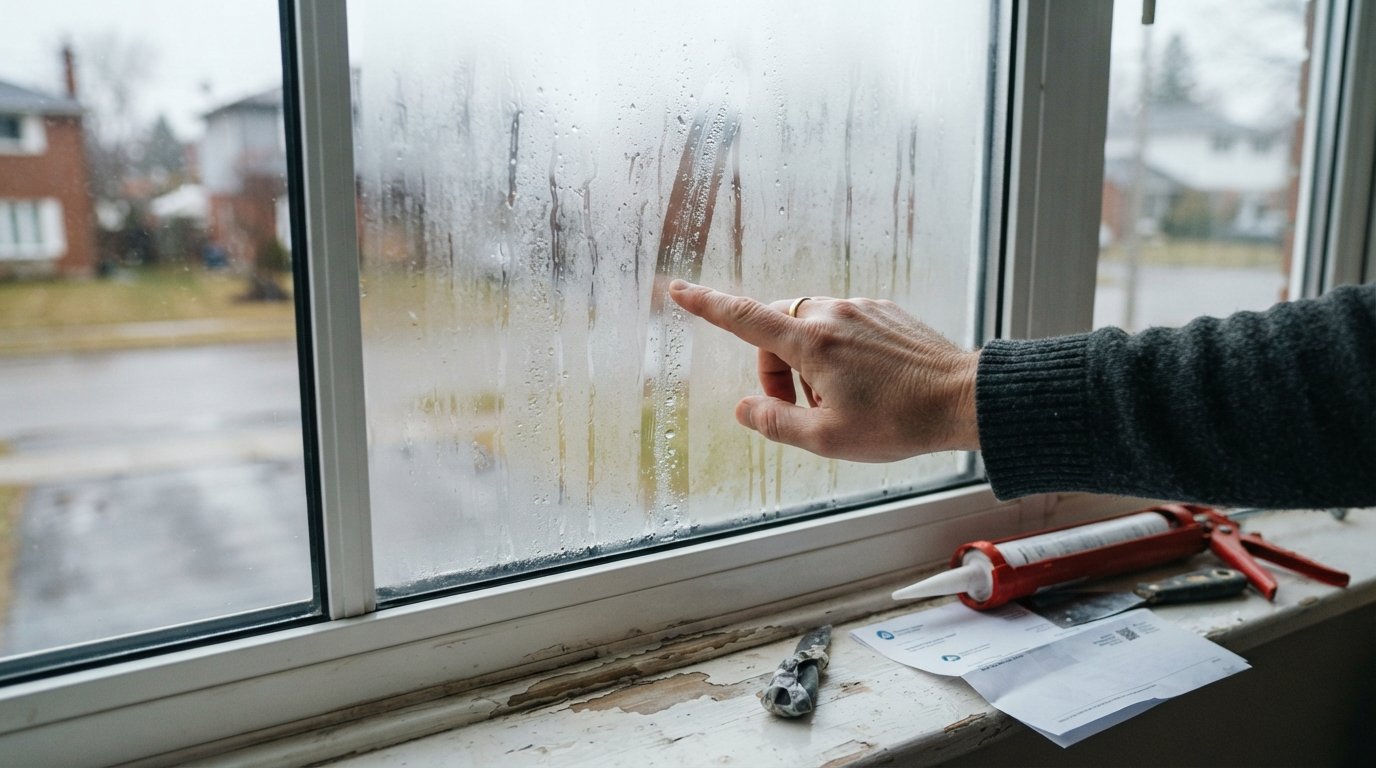
Waking up to condensation trapped between the glass panes of your windows is frustrating. That persistent fog not only obscures your view but also signals a failing seal. As a homeowner, your first question is likely about the financial impact: should you repair the foggy window or replace it entirely? Understanding the true foggy window repair vs replacement cost is essential, because the cheapest upfront fix might not be the smartest long-term investment. This guide breaks down the actual expenses, the factors that influence them, and the practical steps you can take to restore clarity to your home without overspending.
Why Windows Fog Up in the First Place
Modern windows are typically double-pane or triple-pane units. Between the glass layers is a spacer, and the space is filled with an insulating gas like argon or krypton. The entire unit is sealed to keep moisture out and the gas in. When that seal fails, humidity from the outside air can enter the space between the panes. As temperatures fluctuate, this moisture condenses into fog or frost.
This is not just a cosmetic problem. A failed seal means your window has lost its insulating value. You will notice higher energy bills as your HVAC system works harder to maintain a comfortable temperature. The trapped moisture can also lead to mineral deposits on the glass, which are impossible to clean from the outside. In severe cases, the moisture can cause the glass to crack or the frame to rot, especially if the window is in a wooden frame.
Recognizing the signs of seal failure early is critical. Look for condensation that appears and disappears with weather changes, a slight haze that never fully clears, or a visible water line at the bottom of the window. Once you notice these signs, you need to weigh your options carefully.
The Core Cost Comparison: Repair vs. Replacement
The most direct answer to the foggy window repair vs replacement cost question is that repair is almost always cheaper, but it carries significant caveats. A typical professional defogging service, which involves drilling small holes in the glass to dry out the moisture and then sealing the holes, can cost between $80 and $200 per window. This is a fraction of the cost of a full replacement, which can range from $300 to $1,200 per window, depending on the size, frame material, and glass type.
However, the low price of defogging is not the full picture. Defogging does not restore the original R-value (insulating efficiency) of the window. The inert gas that was lost when the seal broke is gone, and defogging does not replace it. You are left with a window that looks clear but performs like a single-pane unit. This means your energy savings will remain compromised, and the fog may return if the seal is not perfectly restored.
A full window replacement, on the other hand, gives you a new, properly sealed unit with fresh gas fill. It restores the window's energy efficiency, often comes with a warranty from the manufacturer, and can even improve your home's curb appeal. The choice depends on your priorities: a quick, budget-friendly fix versus a durable, energy-saving solution.
When Repair (Defogging) Makes Sense
Defogging is a legitimate option, but it is not a universal solution. It works best under specific conditions:
- Window frame is in excellent condition: If the wood, vinyl, or aluminum frame is solid with no rot, warping, or damage, keeping the frame and replacing only the glass is a viable option.
- You are selling the home soon: If you need a quick aesthetic fix to improve curb appeal for a sale, defogging can provide a temporary improvement at a low cost.
- Budget is extremely tight: When you cannot afford a full replacement, defogging offers a short-term solution to clear the view and improve light penetration.
- Non-operable windows: Defogging is easier on fixed picture windows than on complex casement or double-hung windows with moving parts.
If you fall into one of these categories, defogging might be the right call. But be sure to get a guarantee from the contractor. Many will offer a 5-year warranty on the labor, but they cannot guarantee the window will not fog again if the underlying seal issue is severe.
When Replacement Is the Better Investment
Replacement is the more thorough and often more cost-effective solution over time. Consider replacing the entire window unit when:
- The frame is damaged: If the frame has water damage, rot, or is structurally unsound, defogging is pointless. You need a full frame replacement.
- The window is old and inefficient: If your windows are over 15 years old, the overall performance may be poor. Newer windows offer better insulation, low-E coatings, and UV protection that can reduce your energy bills significantly.
- The glass is physically damaged: Cracks, chips, or pitting on the glass surface cannot be fixed by defogging. You need new glass.
- You plan to stay in your home for more than 5 years: The energy savings from a properly sealed, gas-filled window will offset the higher upfront cost over time. Defogging leaves you with a permanently inefficient window.
- You want to upgrade to energy-efficient glass: This is your chance to choose double or triple glazing with low-E coatings and argon fill, which can cut heating and cooling costs by up to 30%.
In these scenarios, paying more now saves you money later. A new window also adds value to your home, which is a benefit defogging does not provide.
Average Cost Breakdown by Window Type
To make a truly informed decision, you need to understand the price ranges for different window types. The table below shows typical costs for replacement, not repair, as repair costs are generally similar across types.
Here is a general guide to replacement costs per window (including labor):
- Single-hung or double-hung vinyl windows: $300 to $600 per window. This is the most common and affordable replacement.
- Wood or fiberglass windows: $600 to $1,000 per window. These materials are more expensive but offer better aesthetics and durability.
- Casement or awning windows: $400 to $800 per window. The crank mechanism and hinge system add to the cost.
- Picture windows (large, fixed): $500 to $1,200 per window. The large glass area and potential for custom sizes increase the price.
- Bay or bow windows: $1,000 to $3,000 total. These are complex installations involving multiple units.
These figures are averages. The final price depends on your geographic location, the contractor's labor rate, and whether you choose standard or custom sizes. Always get multiple quotes to ensure you are paying a fair price.
Factors That Influence the Final Price
Several variables can push the cost of either repair or replacement up or down. Understanding these will help you budget accurately and avoid surprises.
Glass Type and Coatings
Standard clear glass is the cheapest. Tempered glass, which is required for safety in certain locations like near doors or in bathrooms, costs more. Low-E coatings, which reflect heat, add about 10% to 15% to the cost. Gas fills like argon or krypton also increase the price but provide better insulation.
Frame Material
Vinyl is the most budget-friendly. Aluminum is affordable but conducts heat poorly. Wood frames require more maintenance but offer classic beauty. Fiberglass is durable and energy-efficient but is the most expensive option. The frame material you choose dramatically affects the total cost.
Labor and Installation Complexity
If your existing window frame is in good shape, a contractor can often install a new window into the old frame, which is called a pocket or insert replacement. This is less labor-intensive and cheaper. However, if the frame is rotted or the opening is irregular, a full-frame replacement is necessary, which involves removing the old frame and installing a new one. This is more expensive because it requires more labor and potentially some carpentry work.
Number of Windows
Contractors often offer a discount per window when you replace multiple windows at once. The average cost per window drops when you are doing a full house replacement. However, the total bill is higher, so you need to weigh the upfront cost against the long-term savings.
Geographic Location
Labor rates vary significantly by region. In metropolitan areas with a high cost of living, expect to pay more. In rural areas, costs may be lower. Your local climate also matters. In colder regions, windows with better insulation are more common, but they also cost more.
How to Save Money on Foggy Window Solutions
Whether you choose repair or replacement, there are ways to reduce your out-of-pocket expenses without sacrificing quality.
First, do not automatically dismiss defogging. If your windows are relatively new (under 10 years old) and the frames are perfect, defogging is a low-risk, high-reward temporary fix. It is significantly cheaper than replacement and can buy you time to save for a full upgrade.
Second, for replacement, consider installing the windows yourself only if you have construction experience. Otherwise, hire a professional. Improper installation can void warranties and lead to future leaks. Instead, save money by choosing standard sizes over custom ones, and by replacing only the affected windows rather than the entire house, unless a bulk discount makes a full replacement more economical.
Third, check for rebates and tax credits. Many states and utility companies offer incentives for installing energy-efficient windows. The federal government has also offered tax credits for ENERGY STAR certified windows in the past. Research what is available in your area, as these incentives can offset the higher cost of replacement.
Fourth, get multiple quotes. Do not settle for the first contractor you speak with. Prices can vary by as much as 30% to 40% for the same job. At USremodel, we make it easy to compare quotes from vetted local professionals. This ensures you get the best value for your specific project.
The Hidden Costs of Choosing Repair
While defogging is cheaper today, it carries hidden costs that can make it more expensive in the long run. First, the energy loss continues. Your heating and cooling bills will remain elevated because the window has lost its insulating gas. This can add up to $100 to $200 per year, depending on your climate and window size.
Second, defogging does not address the root cause of the seal failure. The seal is still broken, and even after defogging, the window is more susceptible to future moisture intrusion. Over time, the defogged window may fog up again, requiring another service call. This creates a cycle of repeated payments that can eventually exceed the cost of a single replacement.
Third, a defogged window may have a shorter lifespan. The constant pressure changes and moisture exposure can weaken the glass over time, potentially leading to cracks. If the glass cracks, you will have no choice but to replace the window, and you will have wasted the money spent on defogging.
Finally, consider the impact on your home's resale value. Buyers are often wary of windows that have been defogged, as it is a sign of age and poor maintenance. A new window, on the other hand, is a selling point. It signals that the home has been cared for and is energy-efficient.
Professional Assessment: The First Step
Before you make any decision, you should have a professional inspect your windows. A trained eye can determine whether the fog is due to a simple seal failure or a more serious structural issue. They can also assess the condition of the frame and the overall performance of the window.
A professional will measure the window, check for drafts, and inspect the caulking and weatherstripping. They can also tell you whether the window is still under warranty. Many window manufacturers offer 10- to 20-year warranties on the sealed unit, and if the seal fails within that period, you may be entitled to a free replacement unit (though you will still have to pay for labor).
This initial inspection is almost always free when you request a quote. It is a low-pressure way to get expert advice tailored to your situation. During the inspection, ask the contractor to provide both a repair and a replacement estimate. This gives you a clear apples-to-apples comparison of the foggy window repair vs replacement cost for your specific home.
When you are ready to move forward, consider using a service like 180Remodel to connect with experienced contractors who specialize in window services. They can provide the expertise you need to make the right choice.
Making the Final Decision
So, which option is right for you? The answer depends on your budget, your long-term plans, and the condition of your existing windows. Here is a summary to help you decide:
- Choose repair if: The window frame is in excellent condition, the window is less than 10 years old, you are on a tight budget, or you are preparing to sell your home soon and need a quick cosmetic fix.
- Choose replacement if: The frame is damaged, the window is over 15 years old, you want to improve energy efficiency, you plan to stay in your home for several years, or you want to increase your home's value.
In most cases, a full replacement is the better investment for homeowners who intend to stay put. The upfront cost is higher, but you gain peace of mind, lower energy bills, and a durable solution. If you are handy, you might be able to replace the window yourself, but for most people, hiring a professional is worth the cost to ensure proper installation.
Remember that a foggy window is not just an eyesore. It is a sign that your home is losing energy and that moisture is being allowed to accumulate, which can lead to mold and structural damage over time. Addressing the problem promptly, whether through repair or replacement, is essential for maintaining a healthy, efficient home.
Take the time to research local contractors, read reviews, and get multiple quotes. A reputable professional will walk you through the pros and cons of each option without pressuring you into a decision. By doing your due diligence, you can restore the clarity to your windows and the comfort to your home.
Ultimately, the choice between repairing and replacing foggy windows is a balance of cost, convenience, and long-term value. By understanding the true expenses involved and the benefits of each approach, you can make a decision that fits your budget and your home's needs.
Learn more about Window Repair for guides, costs, and what to expect.
Compare Window Repair Pros Near You
Enter your ZIP code to compare top-rated local professionals and request free quotes.