
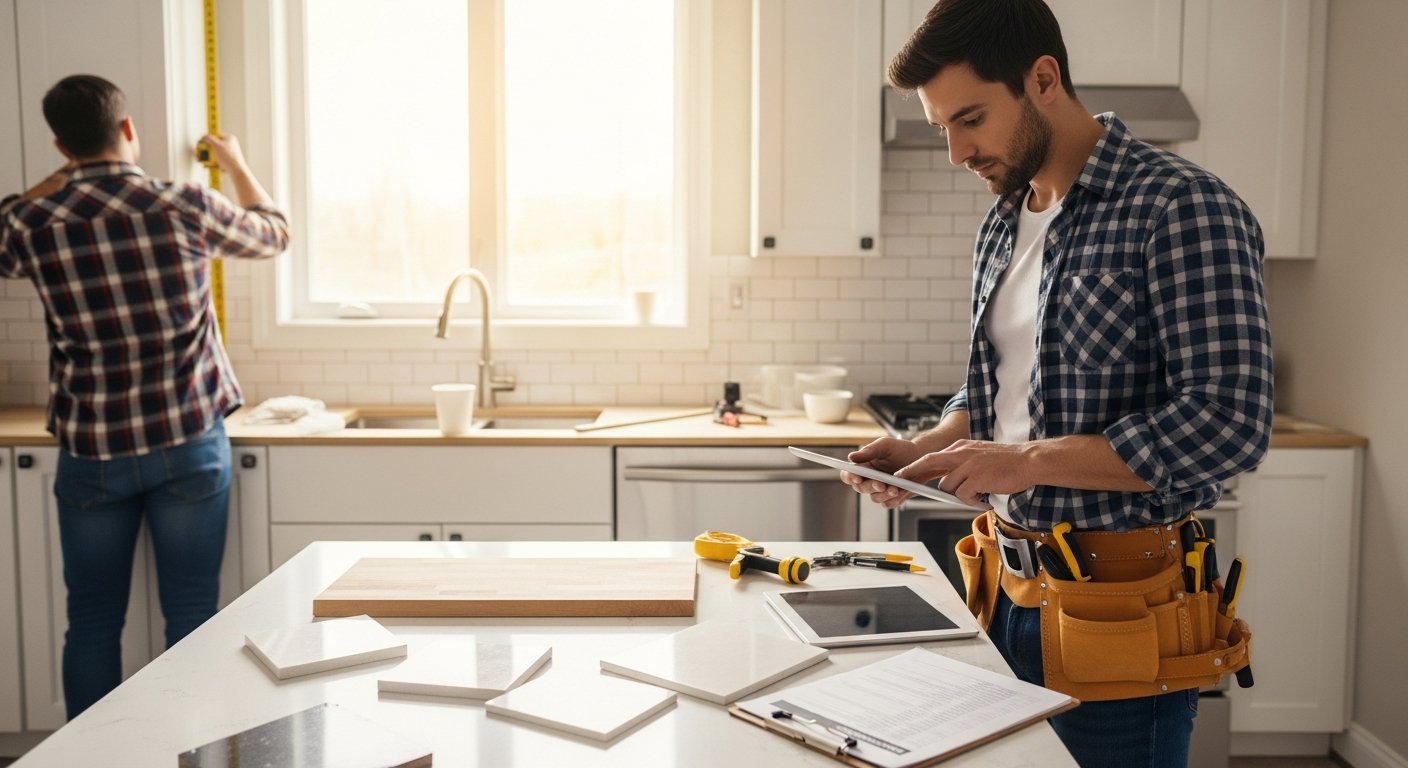
Affordable Home Remodeling: Smart Budget Tips
Discover smart strategies for affordable home remodeling that maximize value, save money, and transform your space without breaking the bank.
By ryanthompson Contributor
Learn more about Home Remodeling for guides, costs, and what to expect.
Compare Home Remodeling Pros Near You

Enter your ZIP code to compare top-rated local professionals and request free quotes.
Remodeling your home can feel like a financial mountain, especially when you see the staggering numbers often quoted for kitchen overhauls or bathroom transformations. But here is the truth: a meaningful, impactful remodel does not have to drain your savings. With the right approach, you can achieve the home of your dreams while keeping your budget firmly intact. This guide will walk you through practical, proven strategies for affordable home remodeling, from smart planning and material choices to knowing exactly when to call in the professionals.
Why Affordable Home Remodeling Is About Strategy, Not Sacrifice
The biggest mistake homeowners make is thinking that affordability means settling for less. In reality, affordable home remodeling is about making intelligent choices that maximize value for every dollar spent. It is a strategic process of prioritizing what matters most, finding cost-effective alternatives that look high-end, and avoiding the common pitfalls that cause budgets to balloon out of control.
Consider this: a full kitchen remodel can cost anywhere from $25,000 to $50,000 or more, but a smart, budget-conscious approach can deliver a stunning transformation for a fraction of that. The difference lies not in the size of your budget, but in how you allocate it. By focusing on high-impact changes, reusing what you can, and shopping smart, you can create a space that feels completely new without the financial hangover.
Set a Realistic Budget and Stick to It
Before you even look at paint swatches or faucet designs, you need a clear, realistic budget. This is the single most important step in affordable home remodeling. Your budget will guide every decision you make, from the scope of the project to the materials you choose. Start by determining how much you can comfortably spend without dipping into emergency funds or taking on high-interest debt. A good rule of thumb is to add a 10 to 20 percent buffer to your initial estimate to cover unexpected surprises, which are almost inevitable in any renovation.
Once your budget is set, break it down by category: labor, materials, permits, and a contingency fund. This breakdown will help you see where you can be flexible and where you cannot. For example, you might decide to splurge on a beautiful countertop but save on cabinetry by refinishing existing cabinets instead of replacing them. Having this detailed plan in place prevents impulse purchases and keeps you on track from start to finish.
Track Every Expense
Use a simple spreadsheet or a budgeting app to log every single cost, no matter how small. This discipline will show you exactly where your money is going and help you spot areas where you might be overspending. It also makes it easier to adjust your plan if you find you are running over budget halfway through the project. Many homeowners are surprised to see how small items like hardware, trim, and paint can add up to significant amounts, so tracking is essential.
Prioritize High-Impact, Low-Cost Upgrades
Not all remodeling projects are created equal. Some offer a huge return on investment, both in terms of enjoyment and resale value, while others can be money pits. When you are working with a limited budget, focus on the changes that make the biggest visual and functional impact. Here are some of the best high-impact, low-cost upgrades to consider:
- Fresh paint: A new coat of paint can transform a room for a few hundred dollars. It is one of the most affordable and effective ways to modernize any space.
- Update lighting fixtures: Swapping out dated light fixtures for modern ones can change the entire feel of a room. This is a simple DIY task that costs little but adds a lot.
- Reface or paint cabinets: Instead of replacing kitchen or bathroom cabinets, consider painting them or replacing just the doors and hardware. This can save thousands of dollars.
- Upgrade hardware: New drawer pulls, knobs, and hinges are inexpensive and can instantly give cabinets and doors a fresh look.
- Add a backsplash: A stylish backsplash in the kitchen or bathroom can be a budget-friendly way to add color and texture. Peel-and-stick options are especially affordable and easy to install.
These upgrades are not just cheap; they are also relatively quick to complete, meaning you can enjoy the results sooner. They allow you to make a significant visual change without the cost and disruption of a full renovation. Once you have tackled these, you can assess whether more extensive changes are truly necessary or if you have achieved the transformation you wanted for a fraction of the cost.
Plan Before You Spend: The Design and Scope Phase
One of the quickest ways to blow your budget is to start a project without a clear plan. In affordable home remodeling, the planning phase is where you save the most money. Take the time to map out exactly what you want to achieve. Do you need to reconfigure the layout, or can you work with the existing structure? Major structural changes, like moving walls or relocating plumbing, are incredibly expensive. Unless it is essential, try to work within the current footprint of your home.
Create a detailed list of all the changes you want to make, from the big items down to the finishing touches. This list will serve as your blueprint and will help you get accurate quotes from contractors. It also prevents you from making costly changes mid-project. If you decide halfway through that you want to move a sink, that change will cost you extra in labor and materials. A well-thought-out plan keeps the project on track and on budget.
Get Multiple Quotes and Compare Fairly
When it comes to hiring professionals, never settle for the first quote you receive. Getting multiple estimates is one of the most effective ways to ensure you are paying a fair price. However, it is crucial to compare apples to apples. Make sure each contractor is bidding on the same scope of work and using similar materials. A lower bid might be lower because it includes cheaper materials or less comprehensive labor, so read the details carefully.
Using a platform like USremodel can simplify this process significantly. Instead of calling around to dozens of contractors, you can submit one request and receive customized quotes from multiple vetted professionals in your area. This not only saves you time but also gives you a solid basis for comparison, helping you find the best value for your specific project. Remember, the cheapest option is not always the best, but with multiple quotes, you can make an informed decision that balances cost and quality.
Consider Refinishing Instead of Replacing
There is a huge misconception that remodeling requires ripping everything out and starting fresh. In many cases, you can achieve a brand-new look by refinishing existing surfaces. This is a cornerstone of affordable home remodeling. For example, instead of tearing out old bathroom tiles, you can have them professionally reglazed for a fraction of the cost. The same goes for bathtubs, which can be resurfaced to look brand new.
Hardwood floors are another great candidate for refinishing. If your floors are scratched or dull, sanding and refinishing them can bring them back to life for a fraction of the cost of new flooring. Even if your floors are in good shape, a simple polish can make a huge difference. Before you decide to demolish anything, ask your contractor or a design professional if the existing material can be salvaged. This approach is not only budget-friendly, but it is also more sustainable, which is a bonus for many homeowners.
DIY What You Can, Hire Pros for the Rest
The DIY route can save you a lot of money, but it is not suitable for every task. A good rule of thumb is to take on projects that are purely cosmetic and require no special skills, such as painting, installing new hardware, or even laying peel-and-stick tile. These are tasks where you can achieve professional-looking results with a bit of patience and online tutorials. However, anything involving plumbing, electrical work, or structural changes should be left to licensed professionals. Doing these yourself can lead to costly mistakes, safety hazards, and even code violations that can hurt your home's resale value.
For example, you might be comfortable painting your living room, but you should not attempt to rewire your electrical panel. Hiring a professional for complex tasks ensures the job is done safely and correctly. It might seem like an extra expense upfront, but it will save you from paying for expensive repairs down the line. A hybrid approach, where you do the simple tasks and hire pros for the complex ones, is the most effective way to keep your affordable home remodeling project within budget.
Choose Materials Wisely: Look for Value, Not Just Low Price
When selecting materials, the cheapest option is not always the best value. In affordable home remodeling, you want to find materials that offer a good balance of cost, durability, and aesthetics. For example, laminate countertops have come a long way and can mimic the look of granite or quartz at a fraction of the cost. They are also durable and easy to maintain, making them an excellent choice for budget-conscious homeowners.
Luxury vinyl plank (LVP) flooring is another fantastic value option. It looks like hardwood, is waterproof, and is much more affordable. It is also easier to install, which can save on labor costs. When comparing materials, consider the lifecycle cost. A slightly more expensive material that lasts twice as long might be a better investment than a cheap one that needs to be replaced in a few years. Do your research, read reviews, and do not be afraid to ask for samples to see how they look in your home's lighting.
Reuse and Repurpose to Save Big
One person's trash is another person's treasure, and this is especially true in remodeling. Before you buy new, consider what you can reuse or repurpose from your existing home or from secondhand sources. For example, old wooden doors can be refinished and used as a headboard or a table top. Vintage light fixtures can be rewired and become statement pieces. You can often find high-quality, gently used building materials at Habitat for Humanity ReStores or online marketplaces like Facebook Marketplace.
Reusing items is not just about saving money, it also adds a unique character to your home that you cannot buy at a big-box store. For instance, a reclaimed wood shelf or a vintage vanity can become a conversation piece. When you are planning your remodel, think about what you already have that could be given a new life. You might be surprised at how many items can be transformed with a little creativity and effort.
Timing Can Affect Your Bottom Line
Did you know that the time of year you choose to remodel can influence the cost? Many contractors have peak seasons, typically in the spring and summer, when demand is high. During these times, they can charge a premium for their services. If you have flexibility, consider scheduling your remodel for the off-season, such as late fall or winter. You may be able to negotiate a better rate because contractors are looking for work to fill their calendars.
Similarly, building material prices can fluctuate. While you cannot predict these fluctuations, you can buy materials when they are on sale or look for discontinued models. Many home improvement stores offer significant discounts on floor models or overstocked items. By being flexible with your timeline and keeping an eye out for sales, you can stretch your budget much further. This strategic timing is a key component of affordable home remodeling.
Work with a Trusted Platform to Save Time and Money
Finding the right contractor is often the most stressful part of a remodel. The wrong choice can lead to poor workmanship, delays, and budget overruns. This is where a platform like USremodel can be invaluable. By connecting you with a network of independent contractors, USremodel takes the guesswork out of the process. You can compare quotes, read reviews, and make an informed decision, all from one convenient place.
This service is completely free for homeowners, and it is designed to save you both time and money. Instead of spending hours researching and calling contractors, you can submit one simple form and let vetted professionals come to you. This streamlined process ensures you get the best possible price for your project, as contractors know they are competing for your business. When you are ready to start your affordable home remodeling project, getting free, customized quotes from USremodel is a smart first step toward staying on budget.
Financing Your Affordable Home Remodel
Even with the best budget, you might need a little help covering the upfront costs of your remodel. There are several financing options available, and choosing the right one can impact your overall affordability. A home equity loan or home equity line of credit (HELOC) often offers lower interest rates because they are secured by your home. However, they require you to have built up equity, and they put your home at risk if you cannot repay the loan.
Personal loans are another option, and they do not require you to use your home as collateral. They are typically unsecured, so they have higher interest rates, but they are a good choice for smaller projects. Some contractors offer financing plans, but it is important to read the fine print and compare the terms with other lenders. The goal is to find a financing solution that fits your budget without causing long-term financial strain. A well-planned affordable home remodeling project should not become a financial burden.
Remodeling your home on a budget is entirely achievable with the right mindset and approach. By focusing on strategic planning, making smart material choices, knowing when to DIY and when to hire pros, and leveraging resources like USremodel to find affordable quotes, you can transform your living space without breaking the bank. Remember, the goal is not to spend the least amount of money, but to get the most value for what you spend. With these tips, you are now equipped to start your remodeling journey with confidence, creating a home you love that also fits your financial reality.
Learn more about Home Remodeling for guides, costs, and what to expect.
Compare Home Remodeling Pros Near You
Enter your ZIP code to compare top-rated local professionals and request free quotes.