
Accessible Home Remodeling: Smart Designs for Aging in Place
Discover how accessible home remodeling can help you age in place comfortably and safely. Learn key modifications, design ideas, and how to find the right contractor.
By Jessica Reis
Learn more about Home Modification for Accessibility for guides, costs, and what to expect.
Compare Home Modification for Accessibility Pros Near You

Enter your ZIP code to compare top-rated local professionals and request free quotes.
When a family member faces mobility challenges, or when you simply want to prepare your home for the future, accessible home remodeling becomes more than a project. It becomes a lifeline to independence, safety, and comfort. Many homeowners assume that making a home accessible requires a cold, institutional look or a massive budget. That assumption is outdated. Today's accessible designs blend seamlessly with modern aesthetics while removing everyday barriers. Whether you are adapting a home after an injury, planning for aging parents, or future-proofing your own residence, the right renovations can transform how you live. This guide walks you through the key considerations, from planning and design to selecting the right contractor, so you can create a space that works for everyone.
Why Accessible Home Remodeling Matters More Than Ever
The demand for accessible home remodeling is growing rapidly. According to the AARP, nearly 90% of adults over 65 want to stay in their own homes as they age. This desire, often called aging in place, drives homeowners to rethink their living spaces. Yet accessibility is not only for seniors. Families with young children, individuals recovering from surgery, and those with chronic conditions all benefit from homes that accommodate varying physical needs.
Beyond personal comfort, accessible remodeling adds significant value to your property. Features like zero-step entries, wider doorways, and walk-in showers appeal to a broad range of buyers. Real estate experts note that universal design elements can increase resale value and reduce the time a home spends on the market. More importantly, these renovations reduce the risk of falls, which are the leading cause of injury among older adults. By investing in accessibility now, you protect both your loved ones and your financial future.
However, many homeowners hesitate because they fear the cost or the disruption. They imagine weeks of construction, piles of dust, and a home that no longer feels like their own. The truth is that thoughtful planning and professional execution can minimize stress and maximize results. With the right approach, your remodel can be both beautiful and functional, blending accessibility with the style you already love.
Key Areas to Prioritize in an Accessible Remodel
Not every part of your home needs a complete overhaul. Focus on the areas that pose the greatest risk or are used most frequently. A strategic approach allows you to allocate your budget effectively, addressing the most critical issues first. Start by evaluating the main entry points, the bathroom, and the primary living spaces. These are where falls often happen and where daily routines can become frustrating.
Here is a breakdown of the most impactful modifications to consider:
- Entry and Exterior: Install zero-step entryways, add ramps with gentle slopes, and widen exterior doors to at least 36 inches. Ensure pathways are even and well-lit.
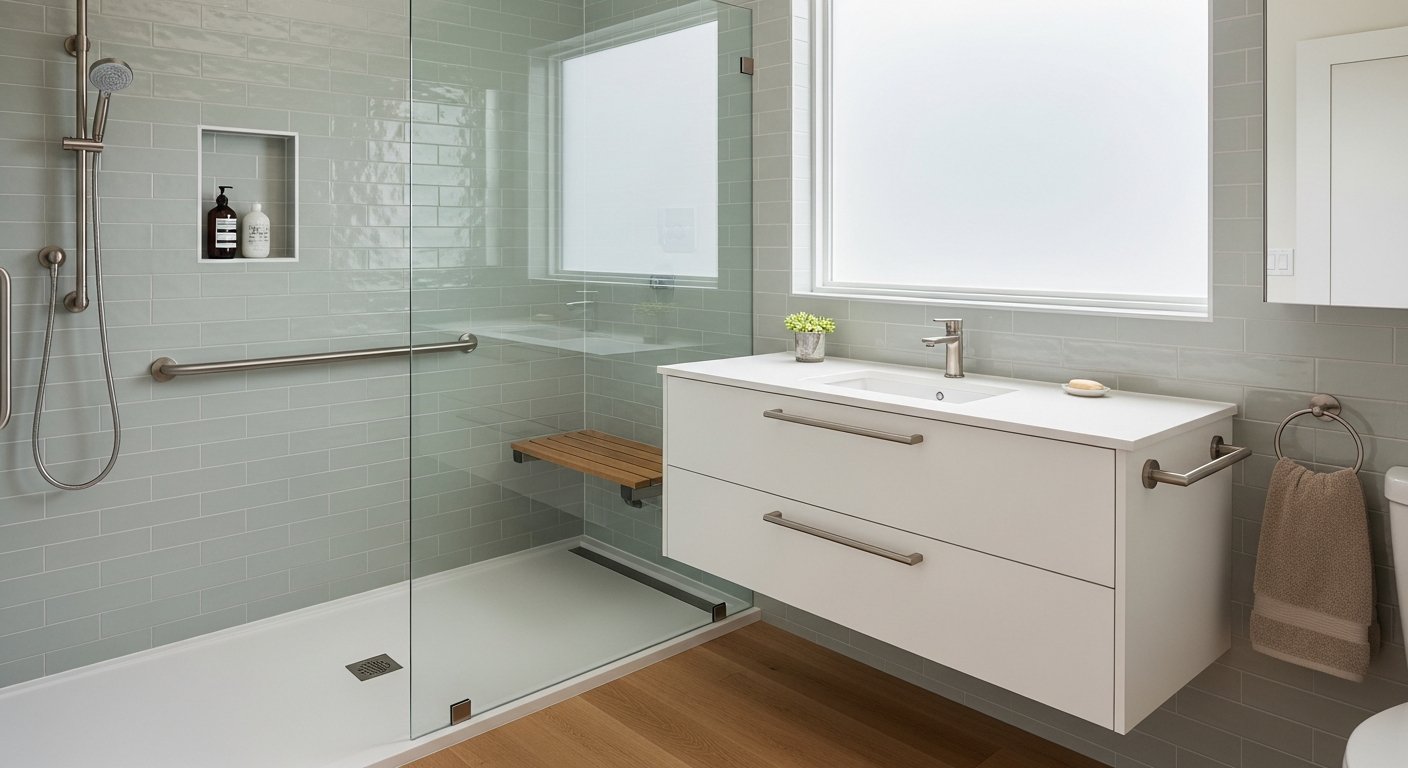
- Bathroom: Replace tubs with curbless walk-in showers, add grab bars near the toilet and shower, and install a comfort-height toilet. Consider a handheld showerhead and a fold-down bench.
- Kitchen: Lower countertops in key work zones, install pull-out shelves and drawers, and place frequently used items within easy reach. Lever-style faucets are easier to operate than knobs.
- Bedroom and Living Areas: Create a main-level bedroom if possible, or ensure the primary suite is on one floor. Widen doorways to 34 to 36 inches, and use lever handles instead of round doorknobs.
- Lighting and Electrical: Increase overall light levels, add motion-sensor lights in hallways and bathrooms, and place light switches at 42 to 48 inches from the floor. Rocker switches are simpler to use.
These modifications address the most common barriers. Yet every home is unique. A professional assessment can identify specific issues you might overlook, such as uneven flooring transitions or inadequate stair treads. Taking the time to evaluate your home thoroughly ensures that your remodel meets your actual needs, not just a generic checklist.
Planning Your Accessible Home Remodeling Project
Successful accessible home remodeling starts with a clear plan. Begin by defining your goals. Are you preparing for a known surgery, accommodating a progressive condition, or simply planning for the long term? Your timeline and budget will depend on the urgency. For instance, a pre-surgery remodel might focus on a single bathroom, while a long-term plan could include multiple rooms and exterior changes.
Next, set a realistic budget. Accessible renovations vary widely in cost. A simple grab bar installation might cost a few hundred dollars, while a full bathroom remodel with a curbless shower can run from $10,000 to $25,000. To avoid surprises, obtain quotes from at least three contractors. USremodel can connect you with multiple professionals who specialize in accessible design, allowing you to compare pricing and approaches without making endless phone calls. When reviewing quotes, ask for a detailed breakdown of materials, labor, and timeline. Also, inquire about permits and inspections, as these are often required for structural changes.
Another critical step is understanding available funding. Many homeowners overlook financial assistance programs. For veterans, the Department of Veterans Affairs offers grants for home modifications. Some states and nonprofits provide low-interest loans for aging-in-place improvements. Additionally, certain medical expenses related to accessibility may be tax-deductible if a doctor recommends them. Research these options early, as they can significantly reduce your out-of-pocket costs.
Choosing the Right Contractor
The contractor you select can make or break your project. Accessible remodeling requires specific expertise, not just general construction skills. Look for professionals who have experience with universal design and knowledge of the Americans with Disabilities Act (ADA) guidelines, even if your home is not subject to ADA compliance. These standards offer a baseline for clearances, grab bar placement, and turning radii.
When interviewing contractors, ask for references from previous accessible projects. Visit those homes if possible, or at least review photos. Inquire about how they handle unexpected issues, such as discovering mold behind walls or structural problems. A reputable contractor will walk you through the process and communicate clearly. USremodel simplifies this search by providing you with multiple vetted contractors in your area. You can review their profiles, read customer feedback, and choose the one who best understands your vision.
Design Ideas That Blend Style and Function
One of the biggest misconceptions is that accessible design looks clinical. In reality, modern products and materials are both elegant and practical. For example, curbless showers can feature beautiful natural stone tiles and a linear drain that keeps water from pooling. Grab bars now come in a variety of finishes, from brushed nickel to matte black, and can double as towel bars or shelving. You no longer have to sacrifice aesthetics for safety.
In the kitchen, consider open shelving at accessible heights, which eliminates the need to reach into high cabinets. Pull-out pantry shelves make it easy to see and access food items. Induction cooktops are safer than gas or electric coil models because they do not have open flames or hot surfaces that remain dangerous after use. These features not only aid those with mobility issues but also make the kitchen more convenient for everyone.
For flooring, choose materials that are slip-resistant, such as textured tile, cork, or low-pile carpet. Avoid high-gloss finishes and uneven transitions between rooms. If you have a multi-level home, a stairlift or a residential elevator can be a worthwhile investment. While these are more expensive, they allow you to stay in a beloved two-story house rather than moving.
Smart Home Technology for Greater Independence
Integrating technology into your accessible remodel can dramatically improve daily living. Voice-activated assistants like Amazon Alexa or Google Home can control lights, thermostats, and even door locks, reducing the need for fine motor skills. Smart thermostats learn your preferences and adjust automatically, saving energy and effort. Video doorbells let you see and speak to visitors from a smartphone, which is helpful for those with limited mobility.
Automated window coverings and smart blinds can be operated with a remote or smartphone app, allowing you to adjust natural light without getting up. Smart sensors can detect falls and alert caregivers or family members automatically. These devices are not only practical but also unobtrusive, blending into your home's decor. When planning your remodel, mention your interest in smart technology to your contractor, as they may need to run additional wiring or install specific outlets.
Remember that technology should simplify, not complicate. Start with a few high-impact devices and build from there. A professional electrician can ensure that all systems are installed safely and integrated properly. The goal is to create a home that responds to your needs, not one that demands you adapt to it.
Navigating Costs and Financial Assistance
Cost is often the greatest barrier to accessible home remodeling. However, with careful planning, you can manage expenses and even find financial support. Begin by prioritizing the most critical modifications. If your budget is limited, focus on safety items like grab bars, non-slip flooring, and adequate lighting. These are relatively inexpensive and provide immediate benefits.
For larger projects, consider a phased approach. You might complete a bathroom remodel this year and an entry ramp next year. This spreads out the financial burden and allows you to adjust plans as needs evolve. When obtaining quotes, be transparent about your budget constraints. A good contractor can suggest cost-saving alternatives, such as using acrylic shower pans instead of custom tile, without compromising quality.
Several funding sources exist specifically for accessibility improvements. The Department of Housing and Urban Development (HUD) offers Title 1 Property Improvement Loans, which can be used for home modifications. Some local governments have grant programs for seniors and people with disabilities. Additionally, the Rebuilding Together organization provides free home modifications for low-income homeowners. For veterans, the Specially Adapted Housing (SAH) grant and Special Home Adaptation (SHA) grant are excellent options. Always research what is available in your state and municipality.
Working with USremodel for Your Accessible Project
Finding the right contractor for your accessible home remodeling project is easier with a trusted platform. USremodel connects you with a network of independent professionals who specialize in various home improvements, including bathroom remodeling, kitchen renovations, and general construction. By submitting a single request, you can receive free, customized quotes from multiple contractors. This approach saves you time and gives you the leverage to compare pricing, experience, and communication style.
USremodel's contractors are accustomed to working with homeowners on projects of all scopes. They understand the importance of clear communication, clean workspaces, and respecting your timeline. When you use USremodel, you are not hiring a one-size-fits-all service. You are engaging with local professionals who want to build their reputation through quality work. The platform's streamlined process ensures that you can focus on the outcome, not the logistics.
Before starting your project, use USremodel's educational resources to educate yourself about the process. The blog and FAQ sections cover common questions about remodeling, permitting, and cost management. This knowledge empowers you to have informed conversations with contractors and to make decisions that align with your long-term goals.
Final Thoughts for a Safe and Stylish Home
Accessible home remodeling is an investment in your quality of life. It allows you to stay in the home you love, maintain your independence, and welcome guests of all abilities. The process requires thoughtful planning, a clear budget, and the right professional partners. By focusing on the areas that matter most, embracing modern design, and leveraging smart technology, you can create a space that is both beautiful and barrier-free.
Do not let the fear of cost or complexity hold you back. Start by identifying one or two changes that would have the greatest impact. Then, reach out to professionals who can bring your vision to life. With the right support, your home can become a sanctuary that serves you well for years to come.
Learn more about Home Modification for Accessibility for guides, costs, and what to expect.
Compare Home Modification for Accessibility Pros Near You
Enter your ZIP code to compare top-rated local professionals and request free quotes.